Generative Artificial Intelligence: A Strategic Lever for Modern Hospitality
The hospitality sector, constantly seeking innovation to enhance customer experience, is increasingly interested in generative artificial intelligence (GAI). This technology, capable of creating
The hospitality sector, constantly seeking innovation to enhance customer experience, is increasingly interested in generative artificial intelligence (GAI). This technology, capable of creating original content from existing data, offers promising prospects for personalizing services and optimizing operations. According to an article in HospitalityNet, GAI could well redefine hospitality standards by combining efficiency and personalization.
Personalizing the Customer Experience with GAI
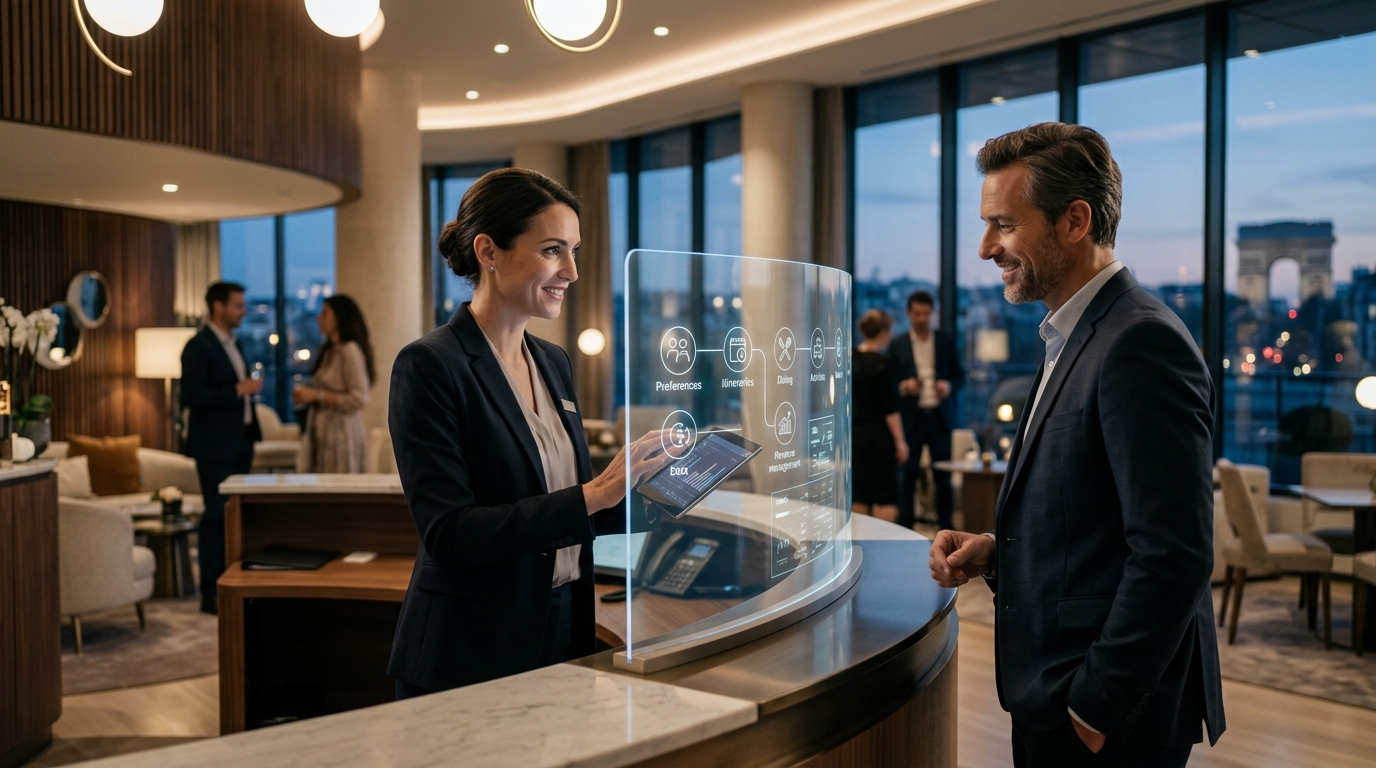
One of the major strengths of GAI lies in its ability to analyze and interpret vast data sets to generate content tailored to individual customer preferences. By leveraging information from bookings, online reviews, or social media interactions, hotels can offer customized services.
For example, a generative AI can create personalized recommendations for local activities, menus tailored to specific dietary needs, or room suggestions based on past preferences. This approach enhances the feeling of personalized attention, thereby fostering customer loyalty.
Moreover, GAI enables the generation of targeted marketing content, such as newsletters or promotional offers, aligned with customers' interests and purchasing behavior. This increased personalization improves engagement and the effectiveness of communication campaigns.
Optimizing Hotel Operations with GAI
Beyond the customer experience, GAI offers significant opportunities to optimize internal operations of hotels. By automating certain tasks, it allows staff to focus on higher value-added activities.
For instance, GAI can be used to handle common inquiries via intelligent chatbots, thus reducing the workload of reception staff. It can also assist in inventory management by predicting supply needs based on booking trends and local events.
In terms of maintenance, GAI can analyze equipment data to anticipate failures and schedule preventive interventions, thereby minimizing service interruptions and associated costs.
The integration of generative artificial intelligence in the hospitality sector represents a major advancement for personalizing the customer experience and optimizing operations. By leveraging available data, establishments can offer tailored services while improving operational efficiency. However, implementing GAI requires strategic consideration, particularly regarding data protection and staff training. It is essential to support this technological transition with training and awareness initiatives to ensure a successful and ethical adoption of GAI.