Meta Bets on AI Voice Dubbing: Towards a New Era of Global Content
Meta has taken a new step in its integration of artificial intelligence by launching an automatic voice dubbing feature on Facebook and Instagram. This innovation po
Meta has taken a new step in its integration of artificial intelligence by launching an automatic voice dubbing feature on Facebook and Instagram. This innovation could revolutionize the way content circulates online, allowing videos to be instantly translated and dubbed into multiple languages. While some hail it as a major breakthrough for content democratization, others already point to risks related to quality, authenticity, and cultural issues.
A Technology Aiming for Global Content
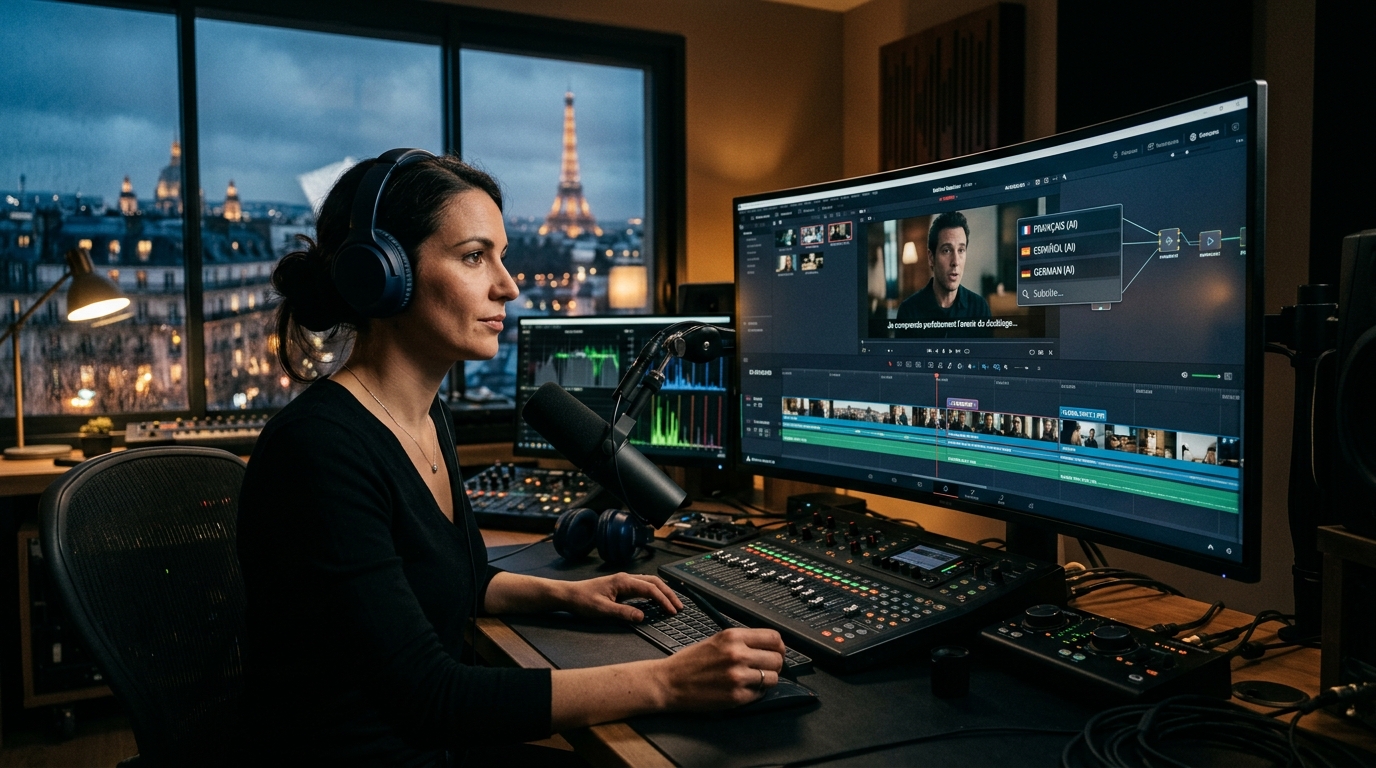
With this launch, Meta aims to address an obvious need: making videos accessible to the widest possible audience, which until now were confined to a specific language. Thanks to AI, a creator can now publish a video in French and see it dubbed in English, Spanish, or German in just a few seconds. According to Siècle Digital, the company is banking on this service to strengthen its role as an essential global platform and attract both content creators and advertisers.
This tool could break the language barrier in a world where videos represent a growing share of digital consumption. For Meta, it is also about standing out against competition from TikTok and YouTube, which are also exploring AI's potential in content translation and adaptation.
Unavoidable Ethical and Cultural Issues
But this innovation raises questions. Automated dubbing risks standardizing voices and erasing certain cultural specificities. Intonations, accents, and even emotions could be smoothed out in favor of a "neutral" voice, optimized for efficiency. This could impoverish cultural diversity and foster distrust among users.
Moreover, the issue of reliability remains central: incorrect or approximate dubbing can alter the meaning of a message, potentially leading to significant misunderstandings, especially in sensitive political or social contexts. Finally, as often with AI, there is the issue of rights: who owns the generated voice? How can we ensure that real people's voices are not used without their consent?
A Turning Point for Creation and Communication
Despite these reservations, this feature could profoundly transform how brands, media, and creators communicate. It opens up the possibility of instant global distribution, with a multiplied impact for advertising, entertainment, and education. Companies could use it to adapt their campaigns to different markets without resorting to costly dubbing, while independent creators would benefit from unprecedented international reach.
The question is not whether this technology will be used, but how it will be regulated and adopted. Because, as often with AI, its potential is as promising as it is risky.