Heygen Launches Its 'Video Agents': AI Video Between Marketing Revolution and Legal Gray Area
In June 2025, Heygen, the startup specializing in AI-generated videos, launched its 'video agents'. These animated AI avatars, capable of automatically creating videos
In June 2025, Heygen, the startup specializing in AI-generated videos, launched its 'video agents'. These animated AI avatars, capable of automatically creating customized videos from simple texts, aim to profoundly transform the production of marketing content, online training, and customer support. Behind this technological advancement lie strategic and ethical challenges: the creative potential is immense, but it comes with questions about truthfulness, usage, and image rights protection in a world where AI avatars could replace humans.
A Revolutionary Tool for Video Communication
Creating AI Avatars That Interact in Real Time
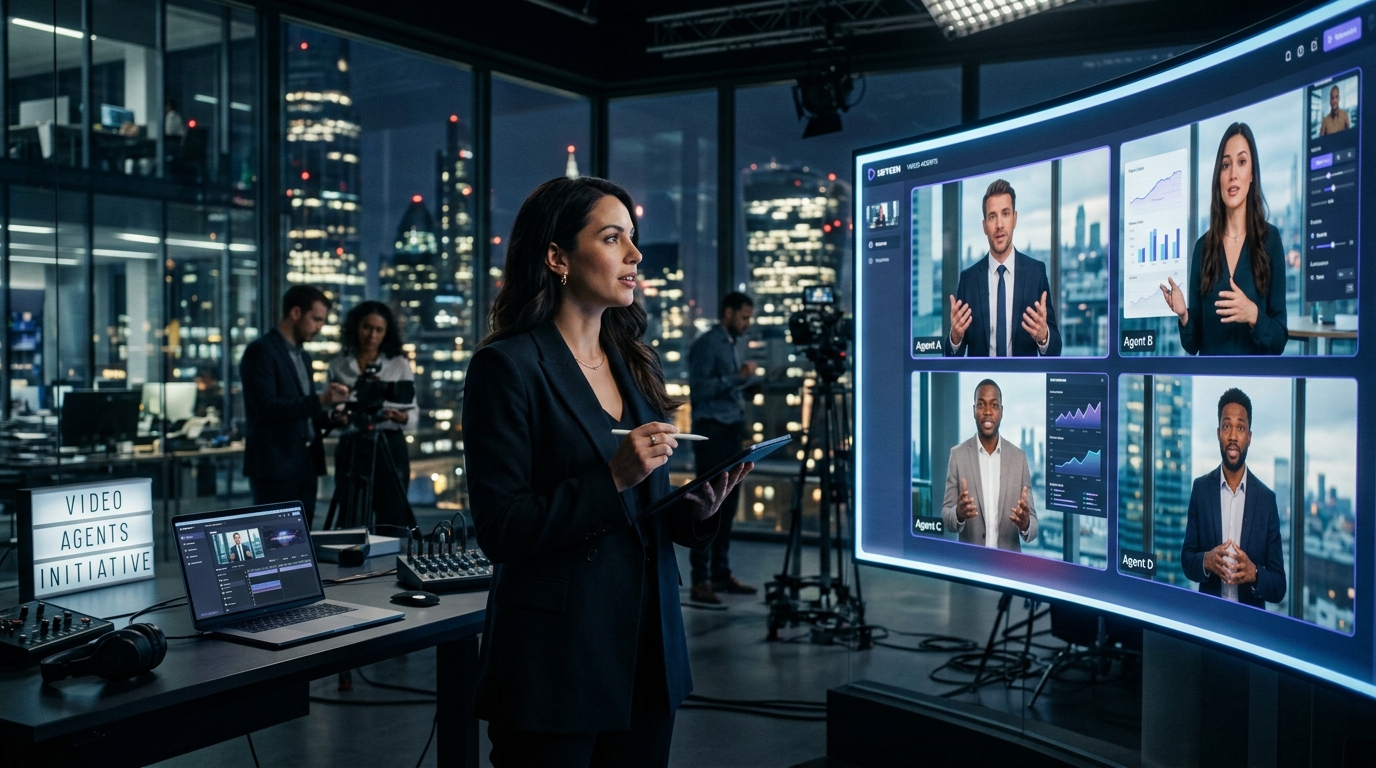
Heygen first gained recognition for its ability to generate convincing video presentations in just a few minutes. With its 'video agents', the platform goes even further: it allows for the creation of AI video avatars capable of interactively responding to user queries. In practice, a brand can produce a video agent that takes the form of a virtual presenter, ready to welcome each website visitor and answer questions about products, just like a human advisor would.
According to La Réclame, these agents rely on Heygen's text-to-video technology and a natural language processing engine, allowing the speech to be adapted in real time. Personalization extends to language, style, and intonation, offering an experience close to human interaction. This ability to automate video, once time-consuming and costly, could attract brands looking to industrialize their communication or offer 24/7 customer service.
Faster and Less Expensive Production
Traditionally, creating a corporate or marketing video required several days of shooting, editing, and post-production. Heygen's 'video agents' promise to reduce this process to a few hours, or even minutes, while maintaining a professional finish. For companies, this represents significant savings and a strategic gain in responsiveness, especially in the e-commerce sector or during social media campaigns where immediacy has become key.
Intellectual Property and Potential Misuse: Necessary Safeguards
The Issue of Image Rights and Deepfake
While Heygen offers generic avatars, it is also possible to customize an AI agent from a video recording of a real person. This opens the door to problematic uses: what happens if an individual sees their image replicated by a company without their consent? How can one distinguish an 'official' Heygen agent from a deepfake designed to harm? The technology is powerful, but without clear regulation, it can easily lead to identity theft or information manipulation.
Intellectual property experts remind us that even in a professional context, image rights apply: a person must give explicit consent for their appearance to be used, including in an AI avatar. However, the ease with which Heygen allows these videos to be created and distributed risks pushing some companies to bypass these obligations.
A Shared Responsibility Between Technology and User
Heygen claims to have integrated detection systems to prevent the generation of avatars from celebrity faces or public figures without authorization. Nevertheless, the platform will need to demonstrate the effectiveness of these safeguards, as the line between legitimate creation and digital forgery can be thin. The rapid dissemination of AI content reinforces this risk: a video created in minutes can go viral before any potential rights infringement is detected.
These issues also raise questions of responsibility: who will be held accountable in case of abuse? The company using the AI avatar or the platform that enabled its creation? The answer will largely depend on the contracts and laws in place, which will need to evolve to adapt to these new practices.
With its 'video agents', Heygen democratizes the production of personalized AI videos, offering unprecedented time and cost savings to companies. But this innovation raises major challenges in terms of image rights and responsibility, which could hinder its adoption if no clear legal framework is established.
To avoid misuse, companies wishing to use Heygen will need to:
- obtain written consent from individuals whose image is used, even in the form of an AI avatar;
- include in their terms of service a clause detailing the rights and responsibilities related to AI content;
- collaborate with legal experts to ensure compliance with image rights and intellectual property.
These contractual precautions will be the key to a serene and respectful use of the technology.
The question now is: can AI video be regulated before it becomes an uncontrollable tool for misinformation and privacy invasion? Governments and digital players will need to quickly define a clear and international framework so that the creativity enabled by these tools serves innovation without threatening fundamental freedoms.